Medical aesthetic marketing is evolving quickly. The industry is moving away from word of mouth and walk-ins to AI-powered search and online visibility. As people search online for aesthetic treatments, compare clinics, and read reviews to find the right clinic, medical aesthetic marketing has become more digital, personalized, and competitive.
In the past, aesthetic clinics could depend on word-of-mouth referrals and traditional suggestions. Today, people are often researching treatments, comparing clinics, and reading reviews before scheduling their appointment. As a result, new opportunities will be discovered by aesthetic businesses to improve their online visibility. In this article, we discuss the future of medical aesthetic marketing: 2026 and beyond.
Medical aesthetic marketing is shifting from a traditional approach to a complete digital customer journey. Clinics need to focus more on patient journeys rather than website visitors. A potential client may first discover an aesthetic clinic through an AI-generated answer or social media post. Then they visit the clinic’s website, look for treatments, read reviews, and compare prices before making a decision. Therefore, successful marketing will depend on consistent information across digital channels. Clinics need to build a strong reputation, create engaging content, and provide a smooth user experience.
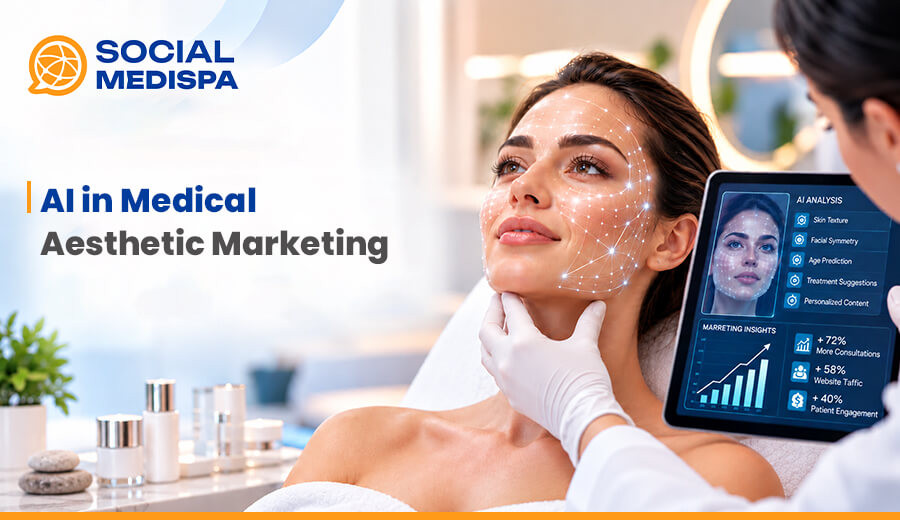
Artificial intelligence plays a vital role in aesthetic clinic marketing by automating repetitive tasks and improving strategic decision-making. AI tools can help aesthetic clinics with keyword research, content ideas, analyzing marketing ideas, and improving communication. AI-powered chatbots can answer patient queries 24/7, book appointments, and even provide health advice based on symptom analysis.
For instance, AI can help clinics anticipate trends and patient needs, create content, and optimize social content for the target audience. However, AI should support aesthetic clinic marketing by integrating human expertise for better marketing results.
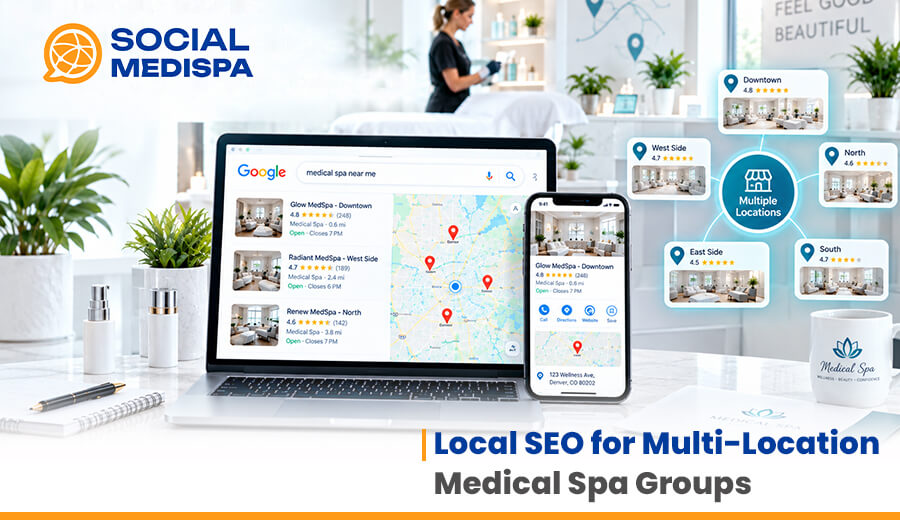
Local SEO will remain an important part of medical aesthetic marketing. Most patients prefer aesthetic clinics that are located nearby. Local searches will deliver strong search intent. Aesthetic clinics should optimize their websites and profiles for their local service areas. This includes creating useful location pages, treatment pages, maintaining accurate business information and consistent local listings.
Local SEO will be more connected to AI search. When people use AI tools for local clinic information, recommendations from different online sources can influence how businesses are understood by AI. Hence, a strong local presence benefits both traditional search and AI search for aesthetic clinics.
Medical aesthetic marketing will use data analytics to deliver highly personalized experiences for patients. Personalized marketing allows clinics to provide more relevant information to different patients. AI can help clinics identify audiences based on interests and interactions. For instance, a person who has shown interest in skin treatments may receive educational information about treatments, while an existing patient may receive follow-up services or post-care tips. This approach may improve patient engagement and bookings.
AI tailors recommendations using predictive analysis based on past behaviour and interactions. However, clinics need to handle patient information carefully and comply with applicable regulations to maintain privacy.
Video content continues to be the cornerstone of medical aesthetic marketing. Educational content, patient testimonials, and live streaming sessions will engage the audience more effectively than static content. Videos that explain treatment procedures and provide aftercare tips help aesthetic clinics reach a wider audience. Clinics can share patient experiences, create series that explain each stage of a treatment, and highlight relevant medical research. By showing the people behind their services, clinics can connect with younger audiences, make treatments easier to understand, and build trust through regular, honest communication.
Privacy will become an important part of aesthetic marketing. Clinics should focus on using client data more responsibly. Aesthetic clinics adhere to standards like HIPAA and GDPR to protect patient information, ensuring trust and brand credibility. Trust will be an important competitive advantage for clinics. Patients are more likely to engage with clinics that showcase professionalism not only in their treatments but also in how they handle their sensitive information. Therefore, clinics should openly discuss their compliance with data protection regulations to reassure patients, demonstrating their commitment to ethical practices.
With the rapid growth in mobile device usage, aesthetic marketing will prioritize mobile-first strategies to improve accessibility and convenience. Aesthetic clinics should focus on mobile-responsive websites and ensure a seamless user experience on mobile screens. Clinics should optimize their websites to fulfill patients’ needs, from scheduling visits to reviewing prescriptions. By prioritizing mobile responsiveness, aesthetic clinics can improve patient engagement and satisfaction.
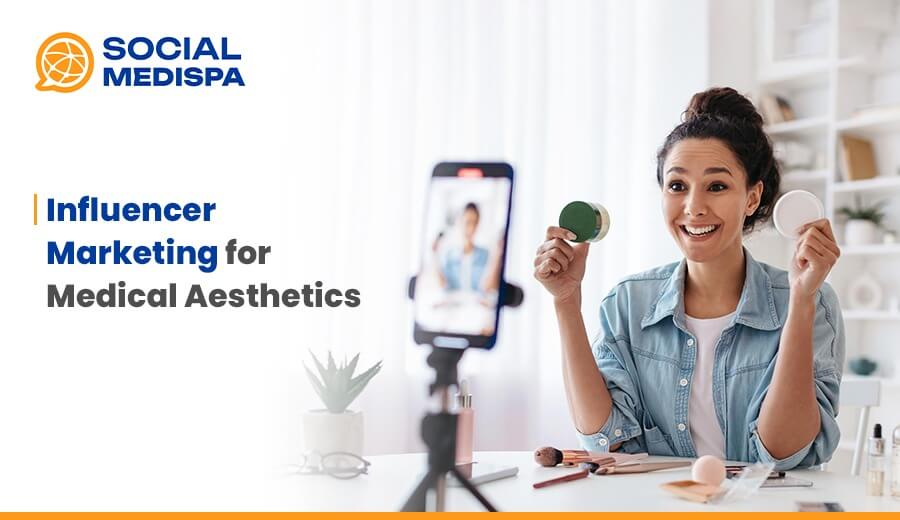
Influencer marketing will continue to be an important part of aesthetic marketing, but clinics’ focus may shift from follower count to trust and relevant content. Local content creators have engaged audiences. Their followers may view recommendations as more authentic than traditional advertisements. By partnering with these voices, aesthetic clinics can leverage established trust networks and drive more patient engagement.
Aesthetic clinics can partner with influencers to promote their brand and treatments, educate the audience, and share informational content with the audience. Ensure that promotional content is clear and does not make any treatment claims. However, authenticity is more important than reaching a wider audience.
Marketing automation can help clinics manage repetitive tasks while allowing staff to focus on important responsibilities such as patient care. Patient-centric communication emphasizes transparency, empathy, and trust. Automated systems can support tasks such as lead follow-ups. Email campaigns, appointment reminders, and re-engagement messages. For example, a person who downloads information about a treatment may receive a series of educational emails. However, automated communication should still feel natural and helpful.
Clients expect a seamless experience while researching aesthetic treatments. Here, Omni-channel marketing helps clinics create an integrated approach so that clients can move from your website, social media, and appointment bookings more effortlessly. Clinics need to ensure that their websites, social media profiles, local listings, and other channels communicate consistent information.
Aesthetic practices should focus on channels where ideal clients spend most of their time, ensure a smooth experience across all touchpoints, and prioritize any issues across all channels. The main goal is to create a consistent and trustworthy experience wherever a potential client discovers the brand.
Aesthetic clinics do not need to adapt to every new technology immediately. Instead, they should focus on establishing a strong digital foundation. Clinics need to ensure consistent information about their treatments, locations, and contact options on their websites, social media profiles, and listings. The next step is to develop useful content around potential client queries, strengthen local SEO, collect reviews, and maintain an active social media presence.
Clinics should observe how AI and client search queries are changing and need to change their marketing strategies accordingly. Technology changes quickly, but useful content, trust, and a smooth user experience are important for clinic growth.
The future of medical aesthetic marketing is driven by AI, local SEO, personalized marketing, influencer marketing, and changing people’s expectations. Aesthetic clinics should think beyond traditional marketing strategies and need to focus on maintaining a strong digital presence with consistent treatment information, locations, and contact information on clinic websites, social media profiles, and local listings. The future is not about replacing human connection with technology; it is about using technology to make that connection more useful and relevant for both clinics and patients.
At Social Medispa, we offer AI visibility and SEO services, helping medical aesthetic clinics adapt to changing technologies. We combine SEO and marketing strategies with AI-powered marketing strategies to help clinics strengthen their online visibility and get recommended by Google and AI. Contact us today for a free quote!