In the medical industry, marketing is essential for connecting innovation with patient access. Unlike consumer goods, medical devices face strict regulations, requiring strategies built on evidence, transparency, and trust. Awareness begins with clear communication of clinical benefits and approvals, but true success comes from efficient distribution through procurement teams, partnerships, and digital platforms. By combining education, credibility, and strategic distribution, companies accelerate adoption, strengthen market presence, and improve patient outcomes. In this article, we discuss medical device marketing from awareness to distribution.
In today’s healthcare landscape, medical device marketing thrives on integration. Therefore, companies must move beyond single‑channel promotion and embrace a multi‑layered approach. Moreover, this combines digital presence, professional networking, and experiential engagement. As a result, innovations are introduced and positioned for credibility and adoption. Finally, by weaving consistent messaging, compliance awareness, and relationship‑driven outreach, brands create a marketing ecosystem supporting awareness, trust, and distribution.
Regulatory compliance is the structural foundation upon which all medical device marketing must be constructed. In the United States, the Food and Drug Administration (FDA) regulates all promotional materials under the Federal Food, Drug, and Cosmetic Act. Marketing managers must maintain absolute alignment with the device’s specific cleared or approved indications. For devices entering the market via the 510(k) pathway, the marketing messaging must not expand beyond the “substantial equivalence” established against the predicate device. For Premarket Approval (PMA) Class III devices, every single claim must be rigidly tethered to the clinical data approved within the final PMA dossier.
International expansion introduces additional complexity. In Canada, Health Canada enforces similar stringent oversight via the Medical Devices Regulations, demanding rigorous post-market surveillance alignment in all promotional content. In the European Union, the transition from the Medical Device Directive (MDD) to the Medical Device Regulation (MDR) has profoundly impacted marketing strategy. Under the EU MDR, the requirements for clinical evaluation and post-market clinical follow-up (PMCF) are substantially elevated. This means that marketing claims in Europe must be continuously validated by ongoing clinical performance data, rendering static, historical brochures obsolete.
A fatal error in medical device marketing is executing a monolithic communications campaign. The medical purchasing ecosystem is comprised of three distinct personas, each operating on disparate behavioural drivers, psychological profiles, and institutional incentives. To achieve market penetration, the macro value proposition must be dynamically reframed across these core segments.
Medical device marketing must adapt to the unique motivations, content preferences, and digital channels of each audience group:
Healthcare Professionals (HCPs)
Patients / End‑Users
Distributors & VACs
Complex medical devices, such as robotic-assisted surgical platforms, intraoperative imaging suites, or implantable neuromodulation systems cannot be sold via superficial brand awareness campaigns. These products possess a steep learning curve and frequently require clinicians to alter their established surgical techniques or diagnostic methodologies fundamentally. Therefore, the core of the medical device marketing strategy must be an advanced, highly structured educational content funnel.
The objective of an educational content strategy is to systematically guide the clinician through the cognitive stages of adoption: from unconscious incompetence (unaware of the clinical limitation in their current technique) to conscious competence (proficiently utilizing the new device). Marketing managers must collaborate with Key Opinion Leaders (KOLs) to author authoritative, peer-reviewed clinical white papers and case reports. This content must address the underlying pathophysiological challenges, dissect the mechanical or digital innovations of the device, and present objective clinical endpoints. Furthermore, developing multi-modular digital academies that offer Continuing Medical Education (CME) credits can significantly accelerate top-of-funnel engagement while providing deep, measurable data on target account intent.
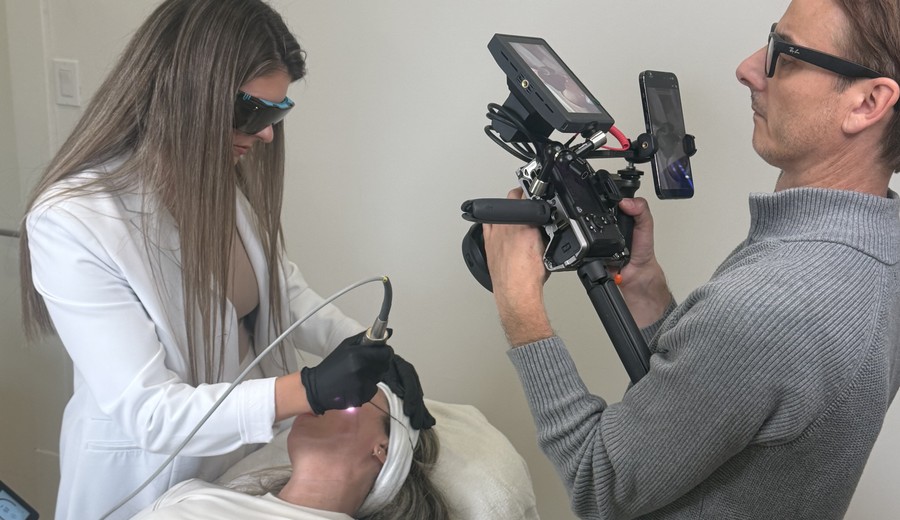
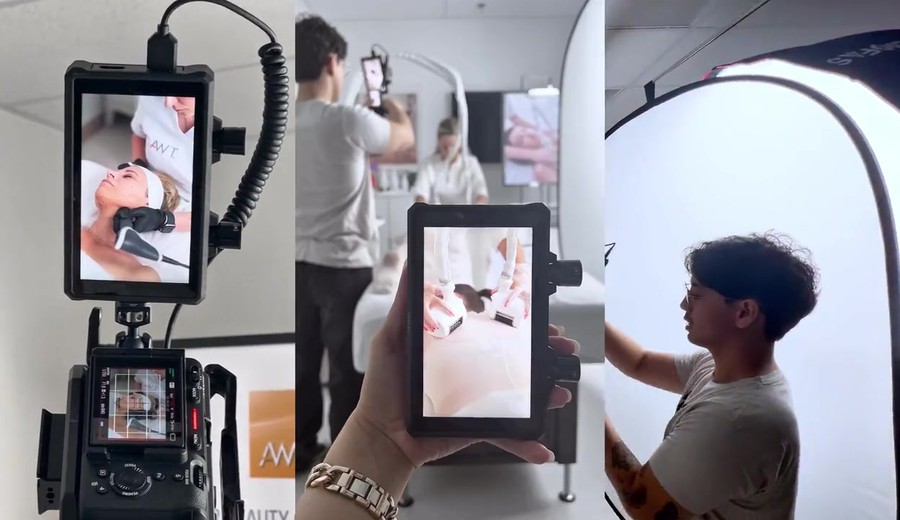
Video marketing has become one of the most powerful tools in medical device promotion, especially when products involve complex mechanisms or require clear demonstration of benefits. Unlike static brochures or text‑heavy documents, videos provide dynamic visual storytelling that simplifies technical details and builds trust with diverse audiences.
By combining clarity, credibility, and accessibility, video marketing ensures that medical devices are not only explained but also trusted, making it a cornerstone of modern healthcare communication strategies.
For B2B medical device marketing, LinkedIn is the premier digital ecosystem. It provides unparalleled professional demographic targeting, allowing marketing managers to isolate and reach surgeons, department chairs, hospital executives, procurement officers, and medical device distributors with surgical precision. However, achieving high engagement on LinkedIn requires shifting away from overt, corporate sales pitches toward high-value, data-driven professional content.
An effective LinkedIn strategy utilizes organic thought leadership and sophisticated paid advertising models simultaneously. Corporate pages should regularly publish “Document Posts” (PDF carousels) that extract vital charts, clinical endpoints, and abstracts from recently published medical literature. Clinicians naturally swipe through these carousels to ingest clinical data quickly during their brief periods of downtime. Paid campaigns should leverage LinkedIn’s Account-Based Marketing (ABM) capabilities to upload specific target hospital lists that are currently undergoing Value Analysis Committee evaluations, serving tailored economic and clinical messaging directly to those specific institutional buyers.
Medical conventions and annual scientific congresses (such as the RSNA, AAOS, or ESC) represent massive capital allocations within the marketing budget. Historically, companies evaluated trade show success based on arbitrary metrics like booth foot traffic or the total volume of badges scanned. In the modern medical device landscape, trade shows must be treated as integrated physical-digital data acquisition environments designed to accelerate complex deals.
To maximize ROI, the trade show floor must feature high‑value experiential marketing. This includes live simulation theatres, VR surgical training suites, and interactive diagnostic consoles. Moreover, every single interaction must be digitally logged. For instance, if an interventional cardiologist spends seven minutes on a simulator, that data must sync immediately to the CRM. Finally, this ensures the local sales representative can guide the next conversation effectively.
Search Engine Optimization (SEO) within the medical device sector operates under highly demanding search intent structures. The strategy must be split cleanly into two targeting methodologies: capturing patients searching for alternative therapeutic solutions, and capturing clinicians searching for technical validation or procedural efficiency tools. Because search engines classify healthcare content under the strict “Your Money or Your Life” (YMYL) framework, all published content must strictly adhere to the highest standards of Experience, Expertise, Authoritativeness, and Trustworthiness (E-E-A-T).
When optimizing for terms like “treatment for resistant hypertension” or “minimally invasive treatment for lumbar spinal stenosis,” the content architecture must be structured as an exhaustive, authoritative clinical hub page. The primary copy must provide objective, deeply researched educational information about the pathology, standard pharmacological interventions, historical surgical alternatives, and finally, the introduction of the device’s innovative therapeutic methodology as a highly validated clinical alternative.
To satisfy E-E-A-T requirements and rank effectively for these highly competitive keywords, all copy must be written or rigorously reviewed by credentialed medical professionals, with clear medical reviewer bylines and active links to peer-reviewed source literature (e.g., PubMed, NCBI) and official clinical trials listed on clinicaltrials.gov. The content must avoid sensationalist language or unbacked efficacy promises, maintaining a balanced, objective clinical tone that satisfies both search engine algorithms and internal regulatory compliance boards.
Because the capital procurement or clinical adoption cycle for a medical device typically spans between 6 and 18 months, one-off email blasts are wholly ineffective. Marketing managers must architect multi-tiered, automated drip sequences triggered by specific behavioural intent signals. These sequences maintain continuous mindshare, dismantle clinical and economic objections, and prepare target accounts for formal sales engagement.
In medical device marketing, buying decisions often stretch across many months due to clinical validation, economic review, peer advocacy, and procurement processes. A structured email sequence ensures that prospects remain engaged throughout this extended journey. By aligning each phase with specific triggers and objectives, marketers can deliver the right content at the right time, nurturing leads from initial interest to final purchase readiness.
Phase 1: Clinical Validation (Months 1 to 2)
Initiated by the first lead capture, this phase is dedicated to proving clinical safety, demonstrating efficacy, and building peer credibility through robust scientific evidence.
Phase 2: Economic Justification (Months 3 to 6)
Triggered by high content engagement, the objective here is to translate clinical excellence into measurable institutional economic efficiency for administrative buyers.
Phase 3: Peer Advocacy (Months 7 to 12)
Sustained open rates mark this phase, where the focus shifts to overcoming adoption inertia and skepticism through social proof and expert consensus.
Phase 4: Procurement Readiness (Months 13 to 18)
Driven by high‑intent site activity, this phase aims to convert long‑term nurturing into clinical evaluations, product trials, or formal purchase requests.
Many medical device manufacturers, particularly mid-sized enterprises or those expanding into international territories, do not sell entirely through a direct sales force. Instead, they rely on complex networks of independent distributors and localized channel partners. In this commercial model, the marketing manager’s primary client is actually the distributor’s sales representative. If a distributor lacks a clear understanding or proper sales tools, your product will sit neglected in their catalogue while they focus on easier, highly familiar alternatives.
To ensure active channel commitment, manufacturers must deploy an advanced distributor enablement program. This begins with the creation of a centralized, secure digital Distributor Portal that acts as a single source of truth for all current, regulatory-compliant collateral. Marketing must supply distributors with white-label promotional assets, localized SEO website modules, targeted regional email sequences, and highly practical, clinical objection-handling playbooks. Furthermore, implementing automated co-op marketing fund management systems incentivizes local distributors to invest in regional medical trade shows and hands-on clinical workshops, drastically amplifying the manufacturer’s local market presence.
For high‑cost therapeutic devices, complex durable medical equipment (DME), or innovative chronic disease management systems (such as advanced insulin pumps or implantable neurostimulators), the primary barrier to market adoption is frequently financial and administrative rather than clinical. Specifically, insurance pre‑authorization, coverage denials, and high deductibles frequently overwhelm patients and families, creating stress and financial hardship. Therefore, this is where the marketing of Patient Assistance Programs (PAPs) becomes a vital commercial engine.
Marketing a PAP requires an empathetic, highly accessible communication style. The marketing team must create clear, plain-language digital portals that guide patients through the reimbursement landscape. Content should include downloadable step‑by‑step guides for securing prior authorization. Pre‑drafted appeal templates address common insurance denials. Clear explainers detail financial aid and copay assistance programs. Positioning the brand as a healthcare partner improves patient onboarding speed. Hence, companies reduce prescription abandonment rates. Finally, they foster strong long‑term brand loyalty.
Evaluating marketing performance using short‑term digital metrics is a strategic error in long‑cycle medical device marketing. Immediate click‑through rates mislead marketers. Raw form fills distort true engagement. Cost‑per‑click fails to capture long‑term value. Because the conversion window can extend over a year, marketing attribution must shift toward an advanced multi-touch B2B lifecycle framework. The primary key performance indicators (KPIs) for medical device commercialization should focus on pipeline velocity and institutional progression metrics. Marketers evaluate full‑funnel efficiency by continuously tracking target account engagement over time. They define total marketing source revenue as:
R_total = Σ (MQL × CR_VAC × ACV)
MQL represents Marketing Qualified Leads generated from target hospital tiers. Furthermore, CR_VAC shows the conversion rate of leads progressing to Value Analysis Committee review. In addition, ACV indicates the Average Contract Value of the institutional account. Moreover, modern medical marketing teams track digital ABM engagement scores, measuring content consumption across multiple hospital stakeholders. Similarly, tracking share of voice across clinical publications provides accurate indicators of commercial growth. Finally, monitoring search intent volume shifts for proprietary terms is more reliable than basic web traffic data.
Sustainable commercial success within the medical device industry cannot be achieved through isolated, fragmented marketing campaigns. It requires the seamless orchestration of an integrated commercial plan where every element functions in absolute harmony. The regulatory framework sets strict legal boundaries for medical device marketing. Persona matrices guide messaging tailored to clinicians, administrators, and distributors. Educational content hubs provide clinicians with peer‑reviewed data and scientific proof. Video marketing demonstrates technology clearly, simplifying mechanisms and showing benefits. Targeted SEO captures demand, driving qualified traffic and visibility. Automated email nurturing sustains engagement through long consideration cycles. Distributor enablement empowers local sales forces to close complex institutional deals.
At Social Medispa, expertise in medical aesthetic marketing helps healthcare brands transform complex innovations into clear, engaging campaigns. With strengths in digital strategy, patient engagement, and brand positioning, they ensure marketing efforts reach the right audiences and build lasting trust. Ultimately, success in medical device marketing lies in creating a cohesive framework that drives adoption, strengthens credibility, and fosters long‑term relationships across the healthcare landscape.